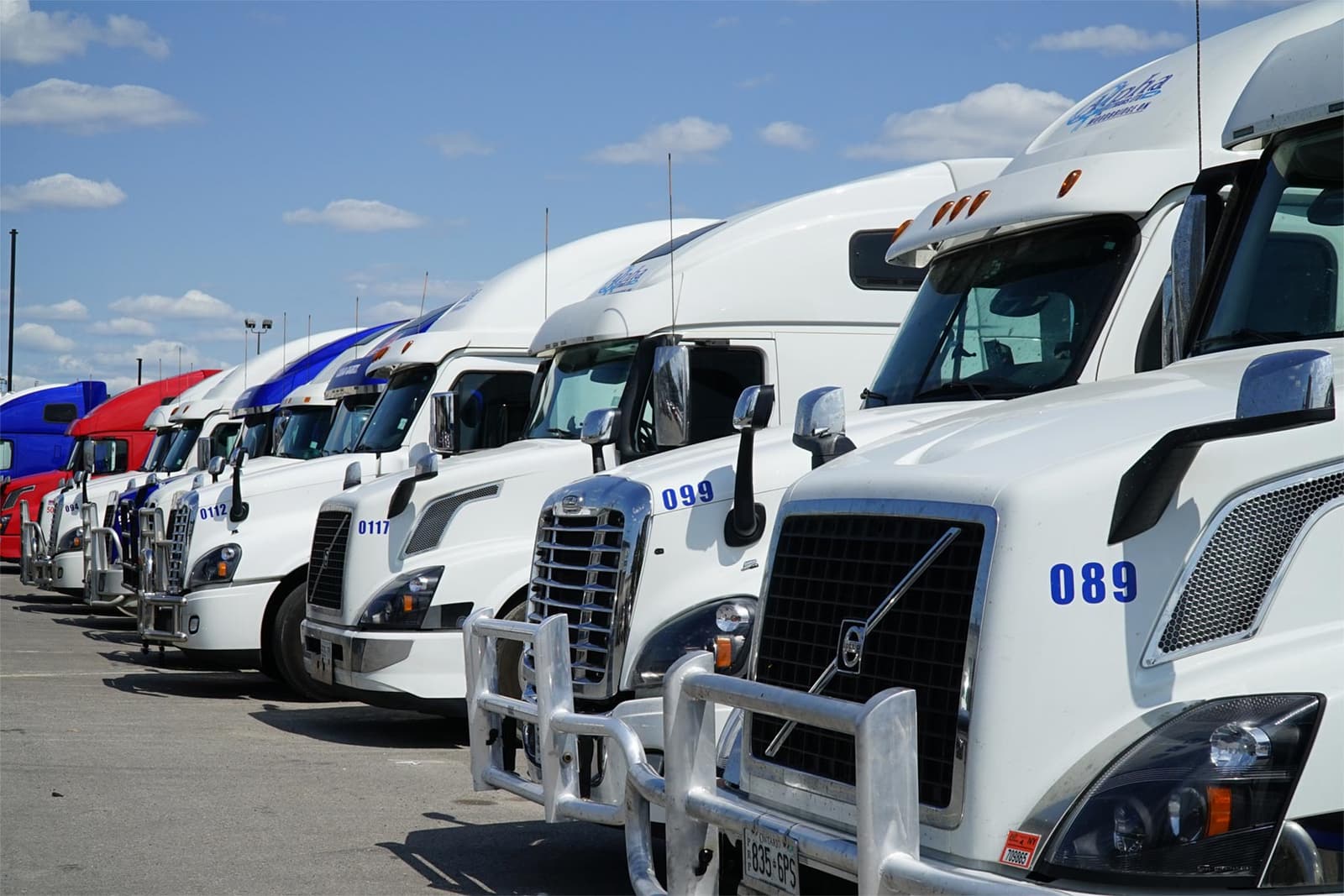


A shipper sending six LTL shipments a week from suppliers across the Greater Toronto Area to customers in Michigan and Ohio pays six LTL rates, accepts six sets of terminal handling, and crosses the border six times. Cross-docking those shipments into one truckload can cut all three. It isn’t always the right answer, but when the freight is heading the same way, consolidation is one of the most reliable cost and damage reductions in cross-border shipping.
In short
- Cross-docking moves freight from inbound to outbound trucks with little or no storage, usually within hours to a day or two.
- Consolidation pays when partial shipments heading the same way approach a truckload. A 53-foot trailer floor-loads 26 standard pallets.
- Each shipment keeps its own customs identity, with its own PARS or PAPS number, so one bad document can hold the whole trailer.
What cross-docking is, and isn’t
In a cross-dock, freight arrives on one truck, is checked in, sorted and staged, and leaves on another, usually within hours to a day or two. Warehousing is about holding inventory. Cross-docking is about keeping it moving. A transload is a close cousin: freight moved from one trailer or container to another, often to change equipment or to combine loads.
When consolidation beats LTL
LTL rates are priced per shipment and per pallet, and the freight passes through the LTL network’s terminals on the way. A truckload is priced per truck. When enough partial freight is going the same way, one truck wins:
- Cost. Once the combined pallet count approaches a truckload, one full-truckload rate often beats the sum of the LTL rates. A 53-foot trailer floor-loads 26 standard 48×40 pallets. Our rate guide covers what goes into that price.
- Damage. Every handling is a chance to drop, crush or misroute freight. A direct truckload from the cross-dock to the customer replaces several terminal transfers with one handling.
- Speed. A consolidated truck runs direct, instead of waiting for a terminal schedule.
- One crossing. One truck, one driver and one trip through the booth, instead of several.
Consolidation works best when shipments share a region, a delivery window and similar handling needs. Freight with very different temperatures, deadlines or destinations is often better left on separate trucks.
The customs side of a consolidated load
Combining freight on one trailer doesn’t combine its customs paperwork. Each shipment keeps its own identity at the border:
- Each shipment needs its own number: a PARS number going into Canada, a PAPS number going into the US, each tied to its own customs entry. Our PARS and PAPS guide explains how they work, and the carrier’s eManifest lists every shipment on the truck.
- One problem can hold everything. If one shipment’s paperwork is wrong, or it is selected for examination, border officers can hold the entire trailer while it is resolved.
- Bonded carriers have more options. A carrier with customs bonds can sometimes move a held shipment in-bond for examination so the rest of the trailer goes on. Our in-bond guide explains how bonded moves work.
The fix is discipline before the truck is loaded: complete commercial invoices for every shipment, consistent descriptions, and every PARS or PAPS confirmed before the doors close.
Why the GTA works as a hub
Brampton and the rest of Peel Region sit at the centre of Ontario’s freight network. Highways 401, 407, 410 and 427 meet there, Pearson airport is minutes away, and CN’s Brampton Intermodal Terminal is close by. From there, the Windsor–Detroit, Fort Erie–Buffalo and Sarnia–Port Huron crossings are each within about four hours. Suppliers across the GTA can deliver into a Brampton cross-dock in the morning, and the consolidated truck can be at the border the same day.
What to ask of a cross-dock partner
- Hours and appointments. When does the dock receive and ship, and how are appointments managed?
- Check-in. How is inbound freight counted, inspected and photographed? Damage noted at check-in protects you in a claim, as our claims guide explains.
- Dwell time. How long can freight sit before storage charges start?
- Who carries it next? A cross-dock run by the carrier that hauls the outbound truck has one accountable party from dock to delivery.
- Insurance. What coverage applies while freight is on the dock?
How Alpha Trans handles it
Our 20,000 sq ft facility in Brampton sits minutes from the 407, 410 and QEW, and it handles storage, consolidation and cross-docking for freight moving between Canada and the US. Because we are an asset-based carrier, the truck that leaves our dock is ours. The dispatcher who planned your consolidation runs it through the border and on to delivery. See our warehousing and cross-dock service and our FTL and LTL options.
Six shipments, one truck, one crossing. Ask dispatch how consolidating your freight would work.
Filed under Shipping strategy
Cover photo: ELEVATE via Pexels